

Stack Emissions
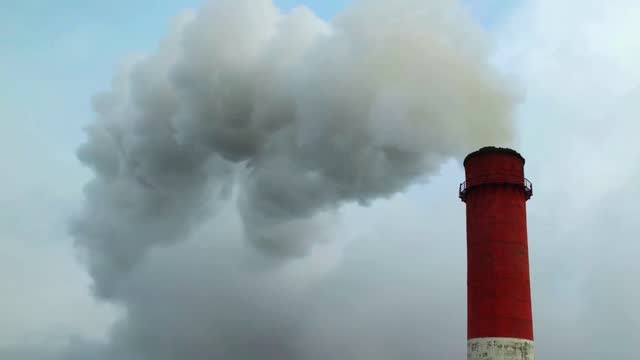
3 videos · Locates stacks/exhausts and smoke and analyzes the color palette to indicate combustion quality
- No alerts so far
In practice
Boilers, kilns and dryers in steel, cement, ceramics and food plants must keep smoke within the limits of their environmental permit. In practice, visual control depends on someone glancing at the stack now and then, and poor combustion can go unnoticed for hours, burning extra fuel and building up the risk of a fine.
A camera aimed at the stack cuts out the smoke plume and analyses its colour frame by frame. White smoke is usually steam, dark grey and black point to incomplete combustion, and bluish or yellowish tones point to other causes. Darkness is measured on the Ringelmann scale, the same one used by inspectors, and persistent dark smoke triggers an alert so operations can adjust the burn.
Frequently asked questions
- Does it replace the gas analyser?
- No. Colour and darkness are continuous visual indicators that complement the certified measurements required by the permit.
- Does it work at night?
- Colour analysis needs light. At night the smoke must be lit, or monitoring focuses on daytime hours.
- Can the records be used with the environmental agency?
- The history with images and Ringelmann level shows how the source behaves over time and helps demonstrate permit conditions. How it is presented follows what each agency requires.
Where to install the cameras
- A fixed camera with the sky in the background, framing the stack outlet and the start of the plume.
- One camera can cover several stacks; each one is analysed separately.
- A position that avoids facing the sun, since backlight and sunset change the apparent colour.
About this solution
The AI locates the stack (or exhaust) and the smoke coming out of it, cuts out the exact outline of the plume and analyzes its color palette. Smoke color indicates combustion quality and what is being burned: white is usually just water vapor; dark gray and black indicate incomplete combustion (soot); bluish, burning oil; yellowish or brown, a sign of sulfur or NO₂. Darkness is measured on the Ringelmann scale, the same one used by environmental inspectors.
- 1Text-prompted segmentation (CLIPSeg): in every frame the AI marks where there is smoke or vapor — without specific training.
- 2Text-prompted detection (OWLv2) locates the stacks or exhausts and discards similar structures (distillation towers, plant buildings); the minimum confidence is adjustable.
- 3The plume outline (not a box) is used in the analysis, so sky, buildings and the stack itself do not contaminate the colors.
- 4Plume colors are grouped into the 4 dominant colors (k-means in CIELab space) and each is classified into a shade.
- 5Darkness = how close the smoke is to black (0% = white, 100% = black). Ringelmann scale = darkness ÷ 20 (levels 0 to 5).
- 6Each stack is analyzed separately (the smoke right above it; flare flames are excluded from color analysis). The indicators show the worst stack.
- 7Persistent dark smoke (from the configured Ringelmann level) or abnormal coloring triggers an alert identifying the stack, with an image of the moment.
Benefits
- Smoke color reading → probable cause: vapor, particulates, incomplete combustion, oil, sulfur or NO₂.
- Automatic Ringelmann scale, the same used in inspections (e.g. black smoke limit for diesel).
- Continuous evidence for environmental permits and conditions (applicable emission standards).
- Immediate identification of incomplete combustion → fuel savings.
More demos
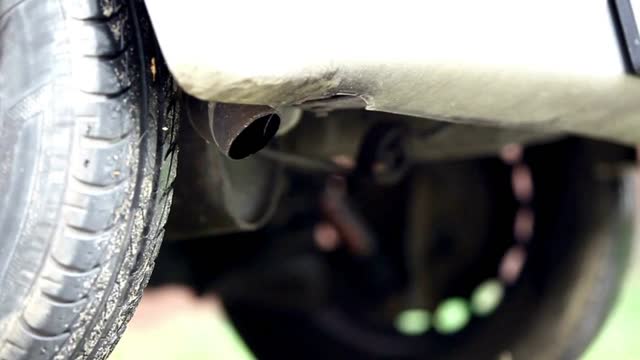
Color and darkness (Ringelmann) of exhaust smoke from trucks and buses
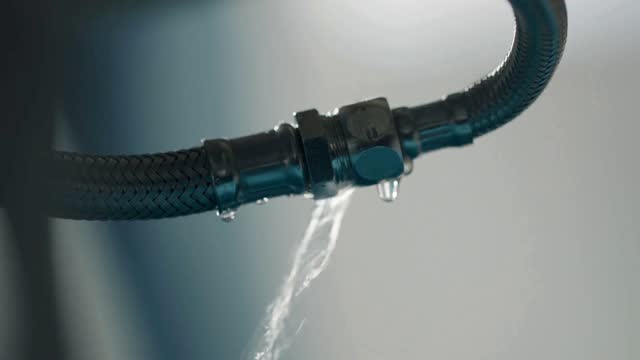
Identifies leaks and puddles on floors, pipes and equipment

Alerts when people enter hazardous or restricted areas
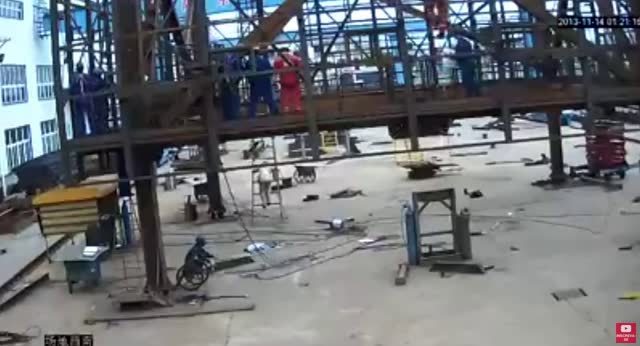
Tells standing, sitting and lying on the floor apart to flag falls without false alarms
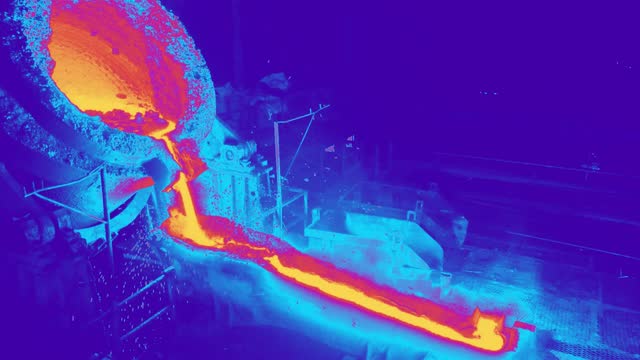
Hot spots in panels, motors and equipment from thermal cameras

Identifies cell phone use in areas where it is not allowed