

Liquid Leaks
2 videos · Identifies leaks and puddles on floors, pipes and equipment
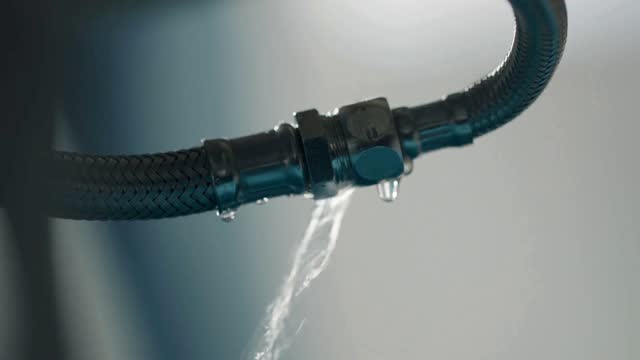
- No alerts so far
In practice
In chemical, petrochemical and food plants, a leak at a valve, pump or flange starts small and grows quietly. By the time a round finds it, product has been lost, the floor has become a slip hazard and, depending on the liquid, there is a risk of contamination and an environmental fine.
Cameras in critical areas start looking for jets, drips, runoff and puddles. The AI confirms the leak over several frames so as not to mistake it for reflections, measures the affected area and tracks whether it is growing. Maintenance and the safety team receive the alert with the image and location.
Frequently asked questions
- Does it tell water from oil or chemicals?
- The AI detects the liquid and measures the area. The type of liquid is inferred from where the camera is, such as an oil pump house or a water line, and can be set for each area.
- Do floor reflections cause false alarms?
- A leak is only confirmed when it appears in at least 3 of 5 consecutive frames, which filters out passing reflections. Regions that look like steam or smoke are discarded.
- Does it help with predictive maintenance?
- Yes. The history of leaks per piece of equipment shows where they keep happening and helps prioritise replacing seals and valves.
Where to install the cameras
- Pump houses, tank farms and containment bunds.
- Pipe racks, valves and process line connections.
- Filling, loading and unloading areas for liquid products.
About this solution
Automatic detection of water, oil, chemical and effluent leaks from cameras. The system identifies the source, measures the affected area and tracks how it evolves, triggering alerts for containment before the problem causes downtime, accidents or environmental damage.
- 1Cameras cover critical areas (pump houses, tanks, pipes, docks, factory floors).
- 2Text-prompted segmentation (CLIPSeg) marks the outline of jets, drips, runoff and puddles — without scene-specific training.
- 3Regions that look more like vapor or smoke are discarded; the model trained by Neural reinforces detection.
- 4The leak is confirmed in at least 3 of 5 consecutive frames, avoiding alarms caused by reflections.
- 5The affected area is measured frame by frame to identify spreading.
- 6Alerts with images are sent to maintenance and the occupational safety team.
Benefits
- Early detection reduces product loss and machine downtime.
- Prevents slips and falls — one of the leading causes of accidents.
- Avoids soil contamination and environmental fines.
- Historical records for predictive maintenance.
More demos
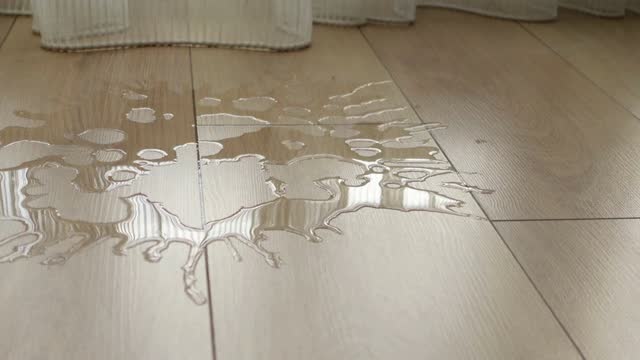
Identifies leaks and puddles on floors, pipes and equipment

Alerts when people enter hazardous or restricted areas
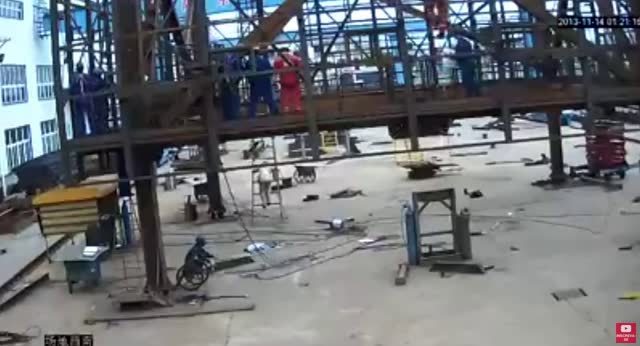
Tells standing, sitting and lying on the floor apart to flag falls without false alarms
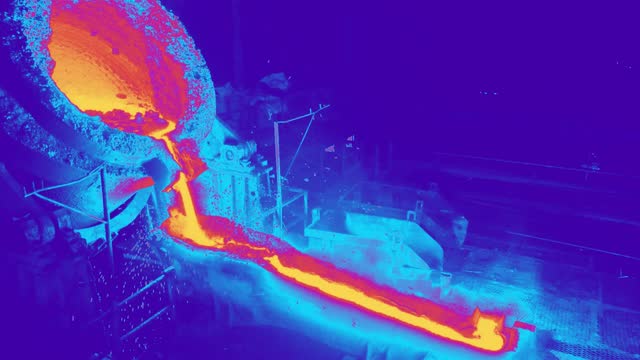
Hot spots in panels, motors and equipment from thermal cameras

Identifies cell phone use in areas where it is not allowed

Detects closed eyes, yawning and signs of drowsiness in real time