

Black Smoke from Vehicles
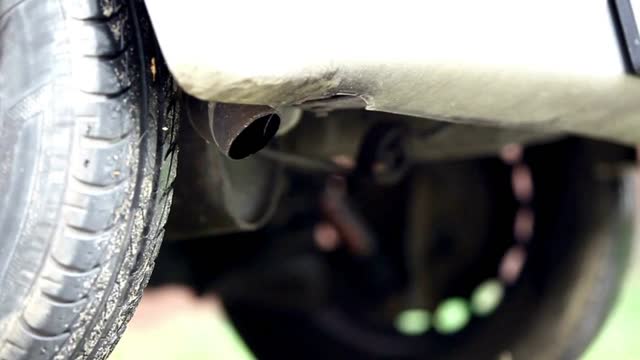
2 videos · Color and darkness (Ringelmann) of exhaust smoke from trucks and buses
- No alerts so far
In practice
Diesel trucks and buses with black smoke point to a badly tuned engine, higher fuel use and the risk of a roadside fine. Haulage and bus companies run opacity tests from time to time, but between tests the problem can go unnoticed for weeks.
With a camera at the depot exit, yard or gate, the AI finds each vehicle's exhaust, cuts out the smoke and measures its darkness on the Ringelmann scale, the same one used in black smoke inspections. The fleet manager receives the alert with a photo of the vehicle and sends it to maintenance before the next trip.
Frequently asked questions
- Does it identify which vehicle produced the smoke?
- The alert includes an image of the moment with the vehicle. Integrated with plate recognition, the event can be linked to the plate automatically.
- Does it replace the opacity meter?
- No. It screens the whole fleet continuously and shows which vehicles should go for the official measurement and maintenance.
- Does it fit fleet emission control programmes?
- Yes. The history per vehicle helps track emission control programmes and prioritise maintenance.
Where to install the cameras
- The gate or depot exit, where every vehicle passes while accelerating.
- The manoeuvring yard and the refuelling area.
- Weigh stations and terminal entrances, to check third-party fleets.
About this solution
The AI locates the stack (or exhaust) and the smoke coming out of it, cuts out the exact outline of the plume and analyzes its color palette. Smoke color indicates combustion quality and what is being burned: white is usually just water vapor; dark gray and black indicate incomplete combustion (soot); bluish, burning oil; yellowish or brown, a sign of sulfur or NO₂. Darkness is measured on the Ringelmann scale, the same one used by environmental inspectors.
- 1Text-prompted segmentation (CLIPSeg): in every frame the AI marks where there is smoke or vapor — without specific training.
- 2Text-prompted detection (OWLv2) locates the stacks or exhausts and discards similar structures (distillation towers, plant buildings); the minimum confidence is adjustable.
- 3The plume outline (not a box) is used in the analysis, so sky, buildings and the stack itself do not contaminate the colors.
- 4Plume colors are grouped into the 4 dominant colors (k-means in CIELab space) and each is classified into a shade.
- 5Darkness = how close the smoke is to black (0% = white, 100% = black). Ringelmann scale = darkness ÷ 20 (levels 0 to 5).
- 6Each stack is analyzed separately (the smoke right above it; flare flames are excluded from color analysis). The indicators show the worst stack.
- 7Persistent dark smoke (from the configured Ringelmann level) or abnormal coloring triggers an alert identifying the stack, with an image of the moment.
Benefits
- Smoke color reading → probable cause: vapor, particulates, incomplete combustion, oil, sulfur or NO₂.
- Automatic Ringelmann scale, the same used in inspections (e.g. black smoke limit for diesel).
- Continuous evidence for environmental permits and conditions (applicable emission standards).
- Immediate identification of incomplete combustion → fuel savings.
More demos
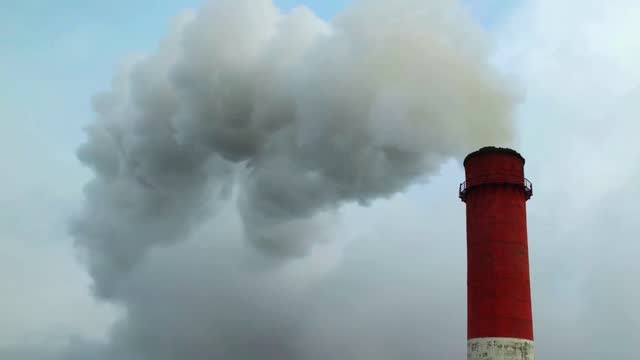
Locates stacks/exhausts and smoke and analyzes the color palette to indicate combustion quality

Detects closed eyes, yawning and signs of drowsiness in real time

Alerts when people enter hazardous or restricted areas

Containers in view in the yard and a count of entries and exits at the gate, by direction and time

Pallets on the floor, in stacks and at the docks, counted one by one, with an alert when an area is full

Free and occupied spaces in real time, turnover of each space and an alert when a space is occupied too long