

Operator Fatigue
3 videos · Detects closed eyes, yawning and signs of drowsiness in real time

- No alerts so far
In practice
Operators of wheel loaders, haul trucks, overhead cranes and control rooms work long shifts, often overnight and on repetitive tasks. A few seconds of dozing at the controls of heavy equipment is enough for a serious accident, and there is almost never anyone watching at the moment it happens.
A camera facing the operator tracks eye opening, the share of time with eyes closed (PERCLOS) and yawning, with thresholds adjusted to each person. When the signs point to drowsiness, the system sounds an alarm at the workstation and notifies supervision or the control room, and builds fatigue indicators per shift to adjust rosters and breaks.
Frequently asked questions
- Does it work at night inside the cab?
- Yes, with an infrared camera that sees the face in the dark without disturbing the operator. Sunglasses reduce accuracy.
- Does a normal blink trigger an alert?
- No. The system measures the share of time with eyes closed and how long each closure lasts, with a threshold for each person. Only prolonged eye closure or a build-up of drowsiness signs triggers an alert.
- Does the data help with working-hours management?
- Yes. Events by shift, time and team show where fatigue concentrates and support decisions on breaks, rotation and rosters.
Where to install the cameras
- Cabs of wheel loaders, excavators and haul trucks, with an infrared-lit camera.
- Overhead crane and mobile crane cabs.
- Control rooms and operations centres with continuous screen monitoring.
About this solution
Facial monitoring of drivers and operators to identify signs of fatigue and microsleep — eyes closed for a prolonged time, rising PERCLOS, frequent yawning — sounding alarms and notifying the control room before an accident happens.
- 1The face mesh (468 points) is computed on every frame.
- 2The EAR (Eye Aspect Ratio) measures eye openness with a per-person adaptive threshold.
- 3PERCLOS indicates the percentage of time with eyes closed (NHTSA standard for drowsiness).
- 4MAR detects yawns; the combination of signals determines alert, fatigued or drowsy.
Benefits
- Prevents accidents caused by drowsiness — up to 20% of serious road accidents.
- Immediate alerts at the workstation and in the monitoring center.
- Fatigue metrics by shift for working-hours management.
More demos

Detects closed eyes, yawning and signs of drowsiness in real time

Detects closed eyes, yawning and signs of drowsiness in real time

Rings, watches, bracelets, necklaces and earrings in prohibited areas

Parts, boxes or bags counted on the conveyor, with pace, stops and downtime per line

Learns from good parts and flags scratches, stains, dents and packaging faults on the line
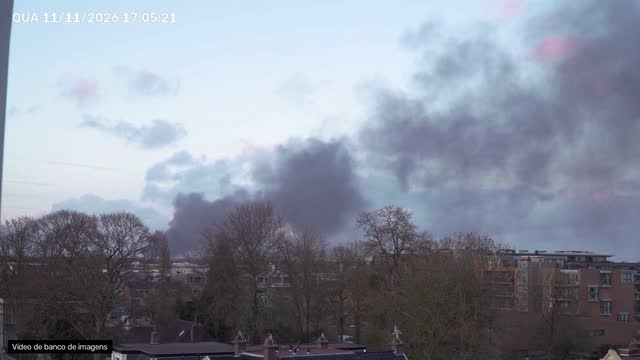
Flames and smoke seen by the cameras in warehouses, storerooms and yards, before the ceiling detector