

Facial Access Control
2 videos · Enroll faces and identify people in videos, photos and live
- No alerts so far
In practice
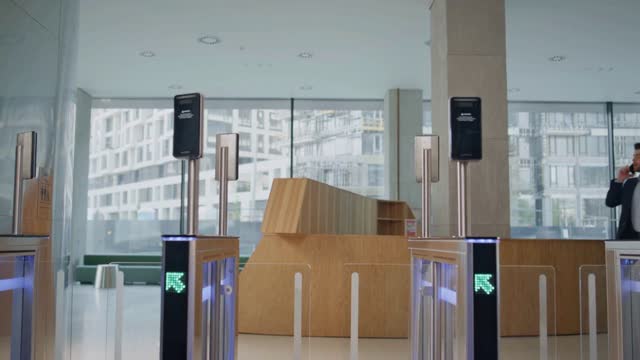
Badges and access cards get lent, lost and forgotten, and contact biometric time clocks create queues and hygiene problems. In restricted areas such as labs, stockrooms and server rooms, the company needs to know for sure who went in and when.
Each employee is enrolled with a photo, which becomes a numerical signature of the face. At the entrance, the camera compares each face with the enrolled database in milliseconds: authorised people generate an access event, and people who are not enrolled trigger an alert to the gatehouse. The result is an auditable record of who was in each area, with no cards and no contact.
Frequently asked questions
- Is employee consent needed?
- Biometric data is sensitive under data protection laws and requires a legal basis, a defined purpose and adequate security. We recommend a clear internal policy and, depending on the case, consent or provision in internal rules.
- What happens when someone who is not enrolled arrives?
- The system creates an unknown-person event, with a photo, so the gatehouse or security can decide what to do.
- Does it work with masks or caps?
- Caps and prescription glasses usually do not get in the way. A mask covering mouth and nose greatly reduces accuracy, so in those settings it is worth combining it with another form of identification.
Where to install the cameras
- Gatehouses and turnstiles at factories and offices.
- Doors to restricted areas: labs, stockrooms, server rooms and vaults.
- Contact-free time and attendance points.
About this solution
Face enrollment and recognition for access control, event check-in, attendance tracking and personalized service. An enrolled face becomes a numerical signature (embedding) compared in milliseconds with every face detected by the cameras.
- 1The face is enrolled from a photo or the camera (name and profile).
- 2The SFace network generates a 128-dimensional vector that represents the face.
- 3Each detected face is compared with the database by cosine similarity.
- 4Identified and unregistered people trigger different events (welcome × alert).
Benefits
- Access and check-in without queues, cards or badges.
- Personalized service — the salesperson knows who has arrived.
- Auditable access log.
More demos

Recognizes enrolled customers and notifies the salesperson

Enroll faces and identify people in videos, photos and live

Virtual fences on perimeters, rooftops and restricted areas
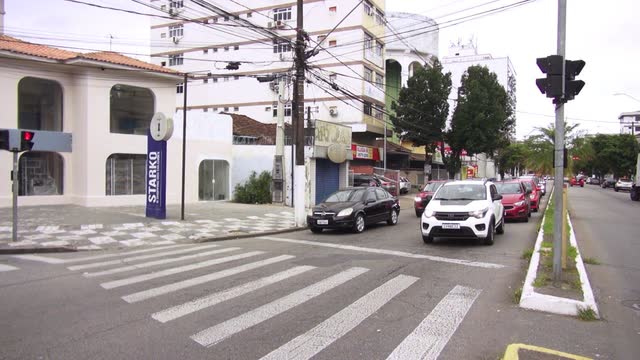
License plate reading and gate release based on allowed and blocked plate lists

Detects closed eyes, yawning and signs of drowsiness in real time

Alerts when someone dumps trash, rubble or old furniture on the sidewalk, on a vacant lot or by a stream