

Ergonomics in Manual Lifting
Couple carrying moving boxes: she bends her back, he squats · Alerts when someone lifts a load with a bent back and straight legs, and measures time spent with the arms raised

- No alerts so far
About this solution
Use the cameras at the docks, in the stockroom and on the production lines. The system follows each person's posture and alerts when someone lifts a load by bending the back with straight legs instead of bending the knees.
- 1A pose model finds 17 body points for each person (shoulders, hips, knees, ankles, wrists) and measures the angle of the trunk and the knees.
- 2A bent back with straight legs for more than a second is a risky lift and triggers an alert. Squatting, bending the knees, is the right way and does not alert.
- 3It also adds up the time with a bent back and with the hands above the shoulders, per area and per shift, so the health and safety team can prioritise workstations.
- 4Each person is confirmed by a second model, so a stack of sacks or a pallet jack handle does not become a "bent person".
- 5Works best with the camera to the side or at an angle and the whole body in the image; from the front, the trunk angle looks smaller than it is.
Benefits
- An alert the moment someone lifts the wrong way, so the health and safety team can coach them before an injury.
- Time with a bent back and with the hands above the shoulders, per area and per shift, to prioritise workstations in the ergonomic risk assessment.
- Squatting the right way does not alert, and stacks of boxes or sacks are not mistaken for people.
More demos

Reads dial pressure gauges and thermometers through the camera and alerts when the value leaves the range
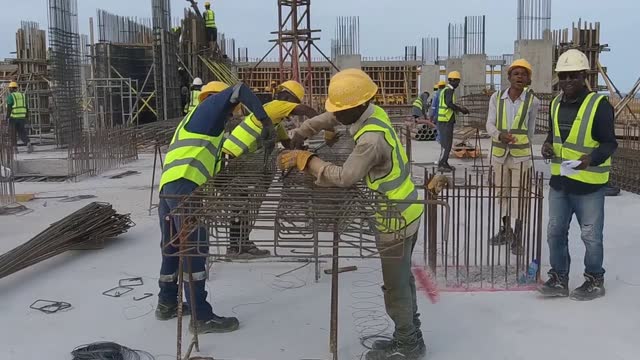
Hard hats, vests and other PPE on construction sites and production lines
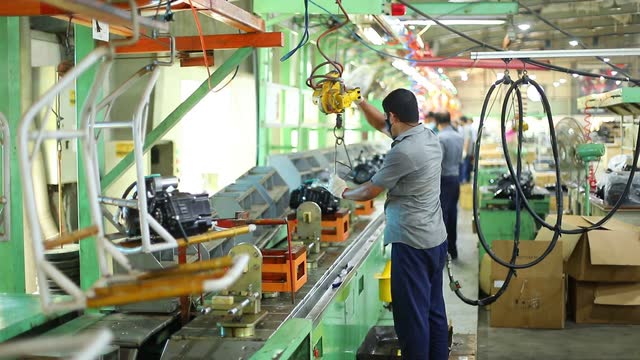
Measures productive and idle time from manual activity at the workstation

Locates stacks/exhausts and smoke and analyzes the color palette to indicate combustion quality

Identifies leaks and puddles on floors, pipes and equipment