

Conveyor Belt Load (Mining)
2 videos · Measures how much of the belt is loaded and detects empty running, overload and off-center load
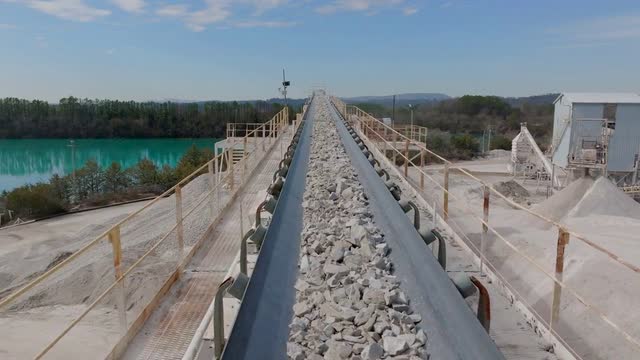
- No alerts so far
In practice
In mining, the conveyor belt links the pit, the crusher and the stockpile, and any imbalance shows up at the end of the line. An empty belt burns energy and wears idlers without producing. An overloaded belt spills ore, clogs chutes and stops the plant for cleaning, work that also exposes people to risk.
With a camera over the belt, the AI measures the load of ore, crushed stone, sand or coal on every frame and shows whether the load is centred. The control room operator sees what reaches the crusher and the stockpiles and is alerted before an off-centre load misaligns the belt.
Frequently asked questions
- Can the camera handle the mine environment?
- The analysis works with standard industrial cameras. For dust and vibration we recommend a protective housing and a solid mount. The system compensates for part of the structure's movement when measuring speed.
- Does it replace the belt scale?
- No. It complements the scale by showing whether the load is centred, how long the belt ran empty and when it was overloaded, things the scale does not show.
- Does it help with operational safety?
- Yes. Less spillage means less manual cleaning next to moving belts, one of the highest-risk tasks in mining.
Where to install the cameras
- At the primary crusher discharge, to follow the feed going to the plant.
- At transfer points and chutes, where spillage is most common.
- On belts feeding stockpiles, bins and rail car loading.
About this solution
A camera above the conveyor belt measures, frame by frame, how much of the belt width is covered by grain (soybeans, corn, wheat, coffee), meal, ore, crushed stone or sand. The system shows the load in real time and over time, identifies the belt running empty (energy and wear with no production), overload with a risk of spillover, and off-center load that causes mistracking and spillage — and combines load and speed into a flow index to balance the feed.
- 1The user marks the belt section with 4 corners; the image is rectified (perspective removed) and split into transverse scan lines.
- 2Text-prompted segmentation (CLIPSeg) separates material from empty belt, without training; a color and texture model fitted on the frame itself refines the load edge.
- 3On each scan line, the fraction of the width covered is measured; the average is the load, and the load centroid indicates centering.
- 4Apparent speed is measured by phase correlation along the flow, discounting the movement of the adjacent structure (compensates for camera movement).
- 5Configurable bands (empty, low, optimal, overload) trigger alerts with photos: empty belt, overload/spillover and off-center load.
Benefits
- Eliminates hours of belts running empty — direct savings on energy and on belt and idler wear.
- Prevents overload and spillover, which cause product loss, cleanup and downtime.
- Detects off-center load before belt mistracking.
- Provides continuous visibility of the feed to balance hoppers, dryers and crushers.
More demos
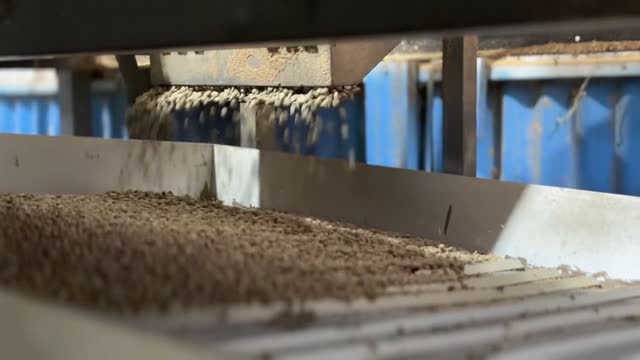
Measures how much of the belt is loaded and detects empty running, overload and off-center load

Metal, wood, rubber and liners on the conveyor belt, before the crusher
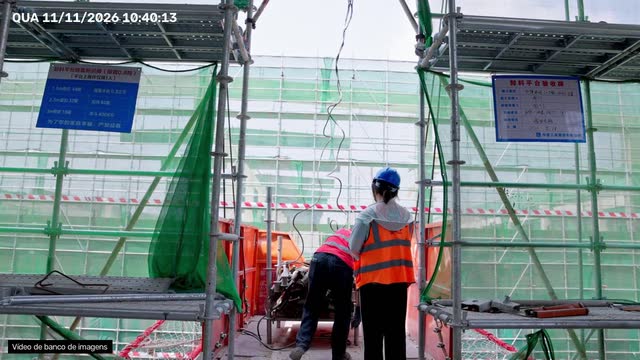
People on roofs, scaffolds and platforms without a safety harness, with an alert and photo within seconds

Potholes, cracks, patches and raveled asphalt counted by the vehicle camera, with a photo of each one

Measures the size of the rocks on the belt all day and alerts when the P80 goes up
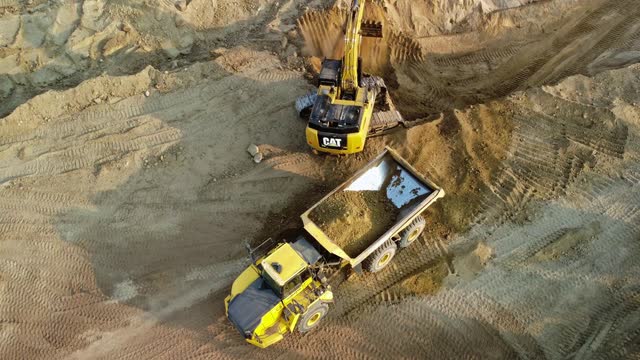
Measures how long each excavator, wheel loader, tractor or truck spends operating, traveling or idle