

Patient Falls
QDP1 · Tells standing, sitting and lying on the floor apart to flag falls without false alarms
About this solution
Human pose estimation (17 body keypoints) applied to every person in the field of view. When it identifies a sudden transition from standing to lying down — or a person down for a prolonged time — the system triggers an immediate alert to the response team, shortening the time to assistance.
- 1The pose model locates each person's shoulders, hips, knees and ankles; the tracker follows each individual.
- 2Standing: legs extended under the hips (knee above 140° and feet well below the hips) — bending over to pick something up still counts as standing.
- 3Sitting: upright torso, thighs nearly horizontal and feet below the hips (chair, bench, edge of the bed). Leaning torso with legs extended = reclining (bed, armchair).
- 4Crouching/kneeling: knees sharply bent with hips close to the heels, or body height much lower than the same person standing.
- 5On the floor: horizontal torso without the legs supporting the body, or feet above the hips. Sitting on the floor: hips at the height of the feet.
- 6Measurements are normalized by the person's own body size and posture is confirmed by voting over several frames, so it does not flicker.
- 7Fall: a person seen standing who reaches the floor with a rapid drop of the hips. A person found already lying on the floor triggers an alert after a few seconds.
- 8An alert with an image of the moment is sent within seconds; sitting, reclining and crouching do not trigger alarms.
Benefits
- Drastically shorter time between the fall and assistance ("long lie").
- Video records for root cause analysis and legal defense.
- Less visual-monitoring burden on the nursing staff.
More demos
 Healthcare 2 videos
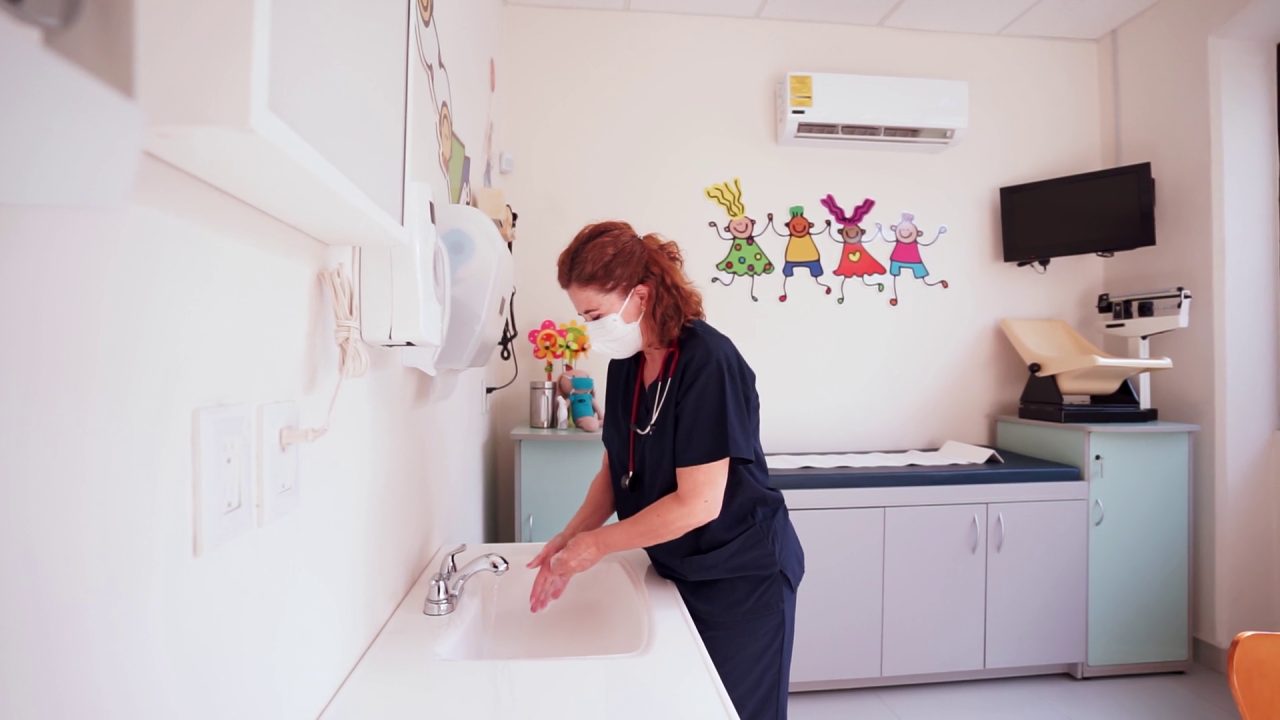
Hand Hygiene
HDM1 · HDM2
Checks that handwashing happens and lasts the minimum time
2 alerts triggered
 Healthcare 1 video
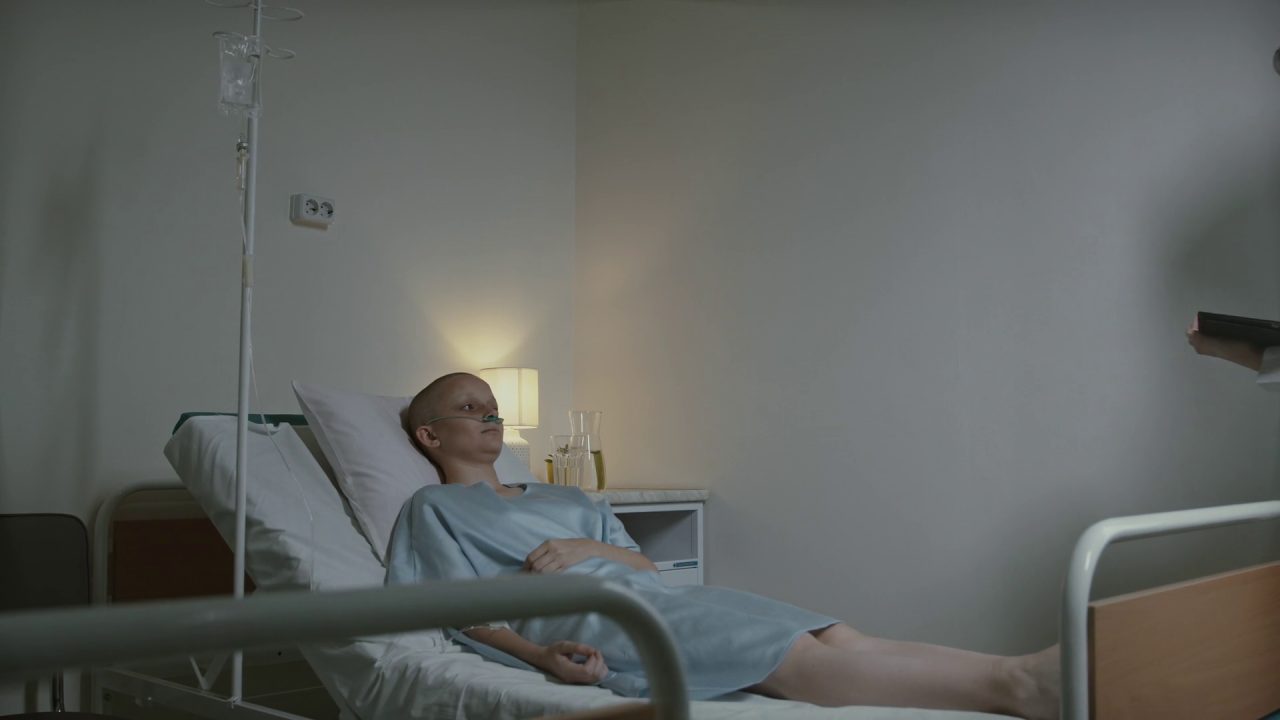
Patient Repositioning Monitoring
MDD1
Tracks patient position and alerts when it is time to reposition
 Healthcare 1 photo
Jewelry in Patient Care Areas
AAA1
Occupational safety regulations — healthcare workers without rings, watches and bracelets
3 alerts triggered